

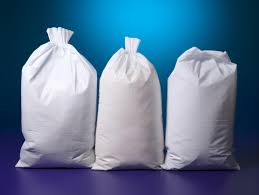
PP Woven Bags are one of the most reliable and widely used packaging solutions for industries requiring heavy-duty, reusable, and moisture-resistant materials. Made from high-quality woven polypropylene, these bags combine strength, flexibility, and durability, making them suitable for bulk storage and transportation of grains, chemicals, fertilizers, construction materials, and other industrial products. In this blog, we will explore the types, benefits, manufacturing process, applications, sustainability, and best practices for using PP Woven Bags effectively.
What Are PP Woven Bags?
PP Woven Bags are strong, lightweight containers made from woven polypropylene fibers. Their weaving technique provides exceptional tensile strength, tear resistance, and durability, while the lightweight design allows for easy handling and transport. Unlike traditional paper or cloth bags, PP woven bags are resistant to moisture, punctures, and rough handling, ensuring the safe storage and transportation of industrial and commercial products.
Types of PP Woven Bags
PP Woven Bags come in several designs to meet different industry needs:
- Flat Woven Bags – Rectangular bags suitable for general-purpose bulk storage.
- Gusseted Bags – Bags with folded sides to increase volume, stability, and stacking efficiency.
- Valve Bags – Equipped with self-sealing valves for fast, automated filling of powders and granules.
- Baffle Bags – Internal baffles maintain shape during filling, preventing bulging and enhancing stacking.
- Laminated PP Bags – Coated with a layer of polyethylene for moisture resistance, ideal for sensitive materials.
These variations provide flexibility and versatility for different industrial applications, ensuring product safety and operational efficiency.
Advantages of PP Woven Bags
PP Woven Bags offer numerous benefits compared to traditional packaging materials:
- High Strength and Durability: Resistant to tearing, punctures, and heavy loads.
- Moisture Resistance: Protects contents from humidity and water contamination.
- Lightweight and Cost-Effective: Reduces transportation costs while maximizing storage efficiency.
- Reusability: Can be reused multiple times without compromising structural integrity.
- Customizable Printing: Available in various colors, sizes, and printed with branding or safety information.
- Eco-Friendly Options: Fully recyclable, contributing to environmental sustainability.
These advantages make PP Woven Bags a preferred choice for manufacturers, distributors, and retailers.
Manufacturing Process of PP Woven Bags
The production of PP Woven Bags involves several detailed steps to ensure quality and reliability:
- Polypropylene Extrusion: Raw polypropylene granules are melted and extruded into strong fibers.
- Weaving: Fibers are woven into high-strength sheets using flat or circular weaving machines.
- Cutting and Stitching: Woven sheets are cut to size and stitched into bag shapes with heavy-duty threads.
- Lamination (Optional): Bags may be laminated with polyethylene for enhanced moisture resistance.
- Printing and Branding: Logos, product information, and safety guidelines are printed with durable inks.
- Quality Testing: Bags undergo rigorous tests for tensile strength, puncture resistance, and seam integrity.
This meticulous process ensures that each PP Woven Bag meets industrial standards for safe storage, transport, and handling.
Industrial and Commercial Applications
PP Woven Bags are versatile and used across numerous industries:
- Agriculture: Transporting grains, pulses, seeds, fertilizers, and animal feed.
- Food Industry: Packaging sugar, flour, salt, and other bulk food items while maintaining hygiene.
- Construction: Transporting sand, cement, gravel, and other building materials.
- Chemical Industry: Packaging powders, resins, and raw materials securely.
- Mining and Minerals: Storing ores, minerals, and industrial materials.
Their adaptability and durability make PP Woven Bags an indispensable part of modern industrial logistics and bulk packaging operations.
Best Practices for Using PP Woven Bags
To maximize the efficiency and lifespan of PP Woven Bags, follow these best practices:
- Proper Filling: Avoid overloading to prevent seams from bursting.
- Correct Storage: Store in dry, shaded areas to prevent moisture damage or UV degradation.
- Safe Handling: Use forklifts, cranes, or hoists for heavy bags to reduce risk of tearing.
- Inspection Before Reuse: Check for wear or damage to ensure safe reuse.
- Sustainable Disposal: Recycle or responsibly dispose of damaged bags to minimize environmental impact.
Implementing these practices ensures safe handling, product integrity, and long-term operational efficiency.
Sustainability of PP Woven Bags
Sustainability is a major advantage of PP Woven Bags in today’s eco-conscious industrial landscape:
- Reusability: Bags can be reused multiple times, reducing single-use waste.
- Recyclable Material: Polypropylene is fully recyclable, minimizing plastic pollution.
- Reduced Carbon Footprint: Lightweight design lowers fuel consumption and emissions during transport.
- Eco-Friendly Printing: Non-toxic inks and biodegradable laminations ensure environmental safety.
By adopting PP Woven Bags, businesses demonstrate environmental responsibility while benefiting from durable and cost-effective packaging solutions.
Conclusion
PP Woven Bags are a modern, reliable, and eco-conscious packaging solution for a wide range of industries. Their high strength, durability, and moisture resistance make them ideal for transporting and storing bulk materials safely. With multiple types, customizable designs, and sustainable options, PP Woven Bags meet the demands of agriculture, construction, chemicals, food, and mining industries. Implementing best practices in handling, storage, and recycling ensures long-term efficiency, safety, and sustainability. Investing in high-quality PP Woven Bags optimizes logistics, protects products, and demonstrates commitment to environmental responsibility, making them an essential solution for modern packaging needs.
